Cyprinids and Seasons: Keys to Choosing the Best Bait
ECOLOGÍA Y HÁBITOS DEL PEZ
Cyprinids and Seasons: Keys to Choosing the Best Bait
Throughout the year, fish like carp, barbel, and tench adjust their feeding habits. It's not just about the seasons, but more about water temperature, which directly influences their metabolism and appetite.
Understanding these physiological changes allows you to choose or formulate more effective baits, aligned with what the fish can truly digest at each moment.
Why Water Temperature Changes Everything
Cyprinids are cold-blooded fish. This means their body temperature and activity levels depend on the surrounding environment, particularly the water. When it's cold, their metabolism slows: they move less, digest more slowly, and eat very little. When water reaches their ideal range (approximately 17 to 25 °C), they become more active, feed frequently, and digest more efficiently.
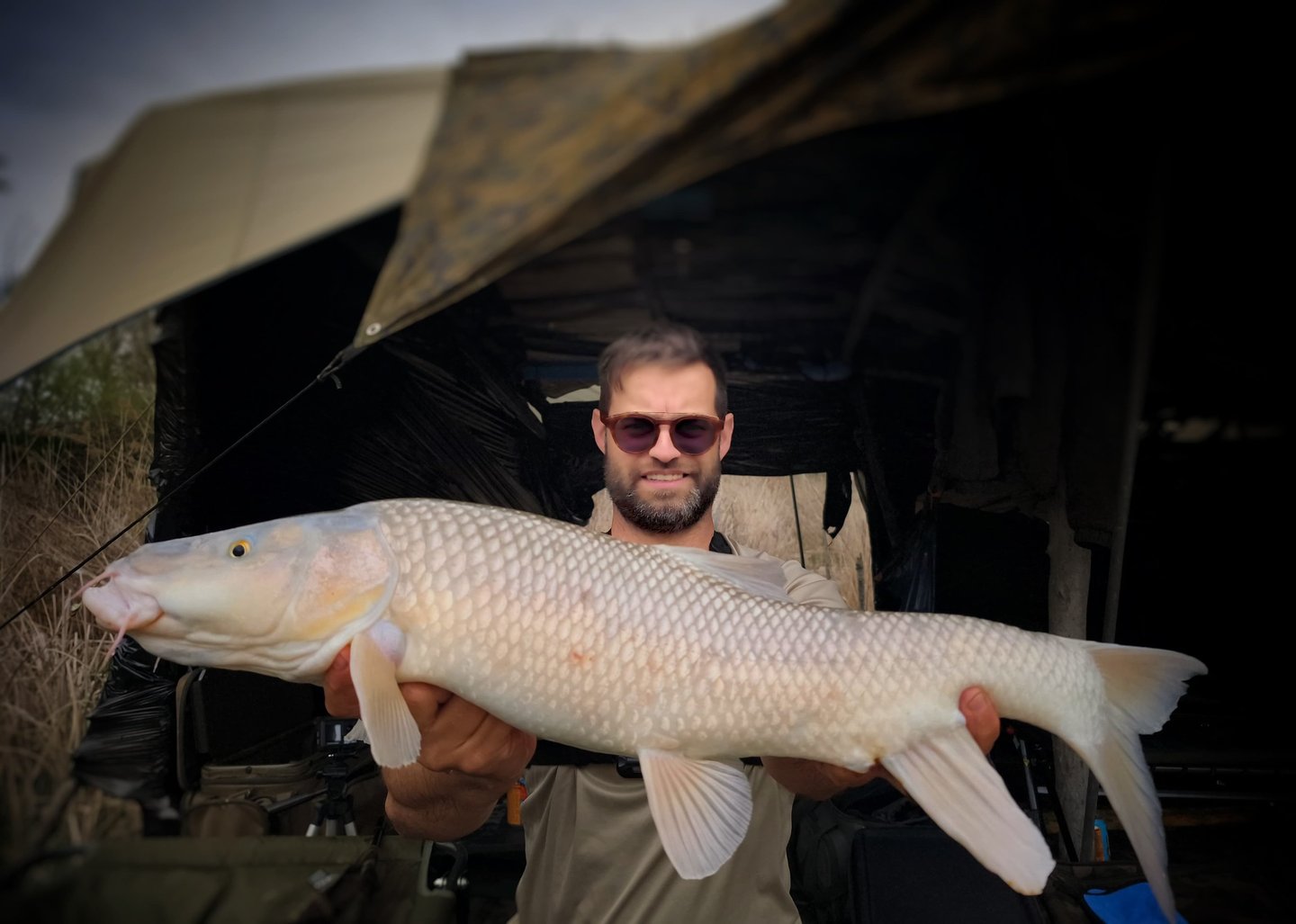
Reference ranges:
Below 10 °C: fish barely feed, remaining in a dormant state.
10–16 °C: appetite reactivates, though digestion is still slow.
17–22/25 °C: peak feeding and digestion activity.
Above 26–28 °C: activity remains high but may cause metabolic stress. Fish become more selective and less responsive to poorly formulated baits.
In short, extreme temperatures limit their ability to digest and feed. For bait formulation, this is crucial: fish don't eat what they want, they eat what they can handle.
Seasonal Feeding Patterns in Cyprinids
Winter: Minimal Feeding and Rest
With water temperatures below 10 °C, the fish's metabolism slows significantly. They seek shelter in deeper or more stable thermal zones and feed sparingly.
If they do feed, they prefer easily digestible, highly attractive foods in small amounts. In fishing, the best strategy involves highly soluble, potent baits (intense scents, free amino acids) used sparingly.
Spring: Gradual Reactivation and Spawning Preparation
As temperatures rise above 12–14 °C, fish gradually become more active. They feed more regularly and begin preparing for spawning.
For common carp, spawning can begin around 16 to 18 °C. For common barbel, studies indicate a minimum daily threshold of around 13.5 °C. However, temperature isn’t the only factor: photoperiod, water level increase, and access to vegetated, oxygen-rich zones also play essential roles.
In the weeks before spawning, fish increase food intake to build energy reserves. After spawning, they often resume active feeding to recover. Both phases are ideal for fishing, provided the bait meets their physiological needs.
Summer: High Activity, Greater Selectivity
Between 20 and 26 °C, cyprinids reach peak activity. They feed frequently and grow rapidly. But this doesn’t mean any bait will work.
At this stage, fish have access to many natural food sources (insects, larvae, plants), making them more selective. Thus, bait must stand out with high nutritional quality, digestibility, sustained attraction, and robust texture to withstand warm water conditions.
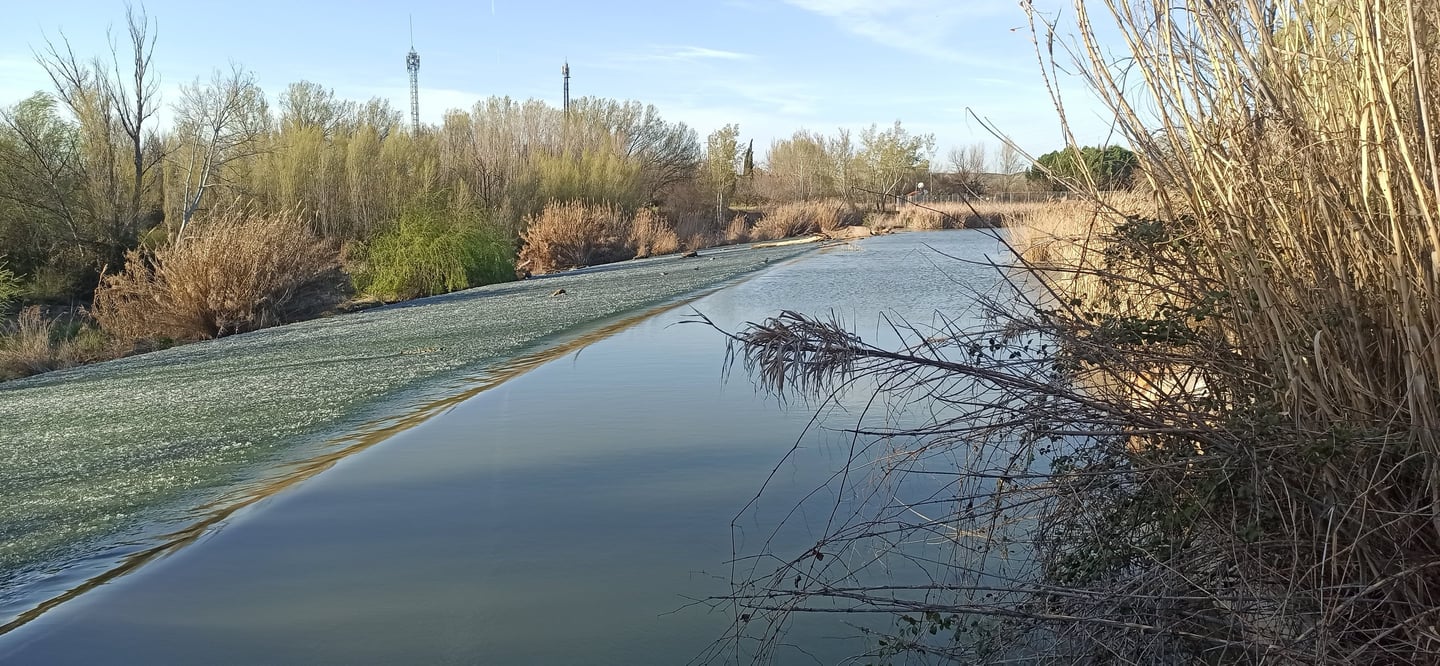
Autumn: Last Energy Reserves Before Winter
As water cools, fish instinctively begin to store energy. Metabolism slows, but feeding continues actively.
This is an excellent time to fish, as they remain hungry but are preparing for a prolonged fast. They prefer energy-dense foods, especially quality proteins and fats that are easy to assimilate.
Autumn baits should be nutrient-rich, not overly heavy, and offer controlled release while maintaining stability in water.
Conclusion: Match Your Bait to Fish Metabolism
Adapting bait by season means more than following the calendar — it means understanding the fish’s physiology. The thermometer is your best guide. Use light, stimulating baits in winter, energetic ones in autumn, and highly nutritious options in spring and summer for better success.
References
FAO. (n.d.). Common carp culture. FAO Fisheries & Aquaculture. https://www.fao.org/fishery/en/culturedspecies/Cyprinus_carpio
Baras, E., et al. (1996). Seasonal activities of Barbus barbus: effect of temperature on time budgeting. Journal of Fish Biology, 49(2), 237–256.
Baras, E., et al. (2003). Thermal-related variations of seasonal and daily spawning periodicity in Barbus barbus. Aquatic Living Resources, 16(4), 333–339.
Zaki, M. A., et al. (2011). Effect of different feeding regimes on the gonadal development and sperm quality in male barbel (Barbus barbus L.). Czech Journal of Animal Science, 56(10), 456–464